
The Past Wasn't as Stinky as You Think...
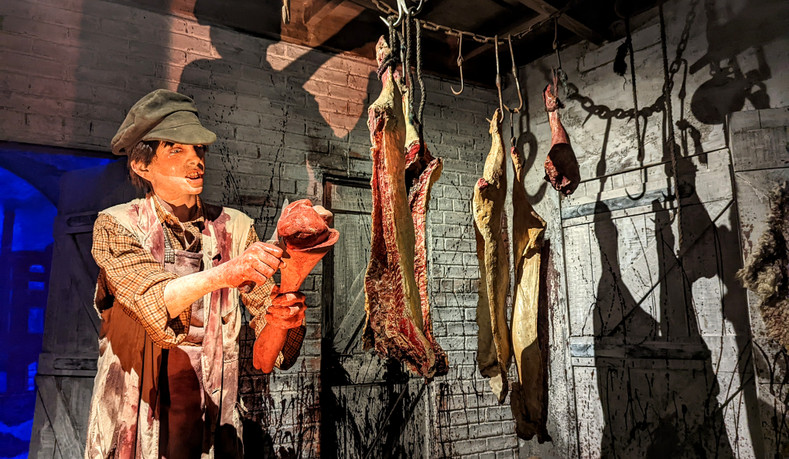
Many expect the past to have smelt disgusting, with ideas of faeces-filled streets and disease. However, the smellscapes of the past were as varied as they are today (and sometimes more fragrant).
Ancient Egyptian Mummies
A popular historical topic is that of Ancient Egyptian mummies. Although we associate stenches with corpses, the Ancient Egyptian embalming process was often incredibly fragrant. After all, the bodies were being prepared for audiences with the gods. Gums, resins and honey were used to preserve skin, and bodies would have been stuffed with spices like cinnamon. These facts were considered when AromaPrime developed the Egyptian Mummy scent, which is light and sweet.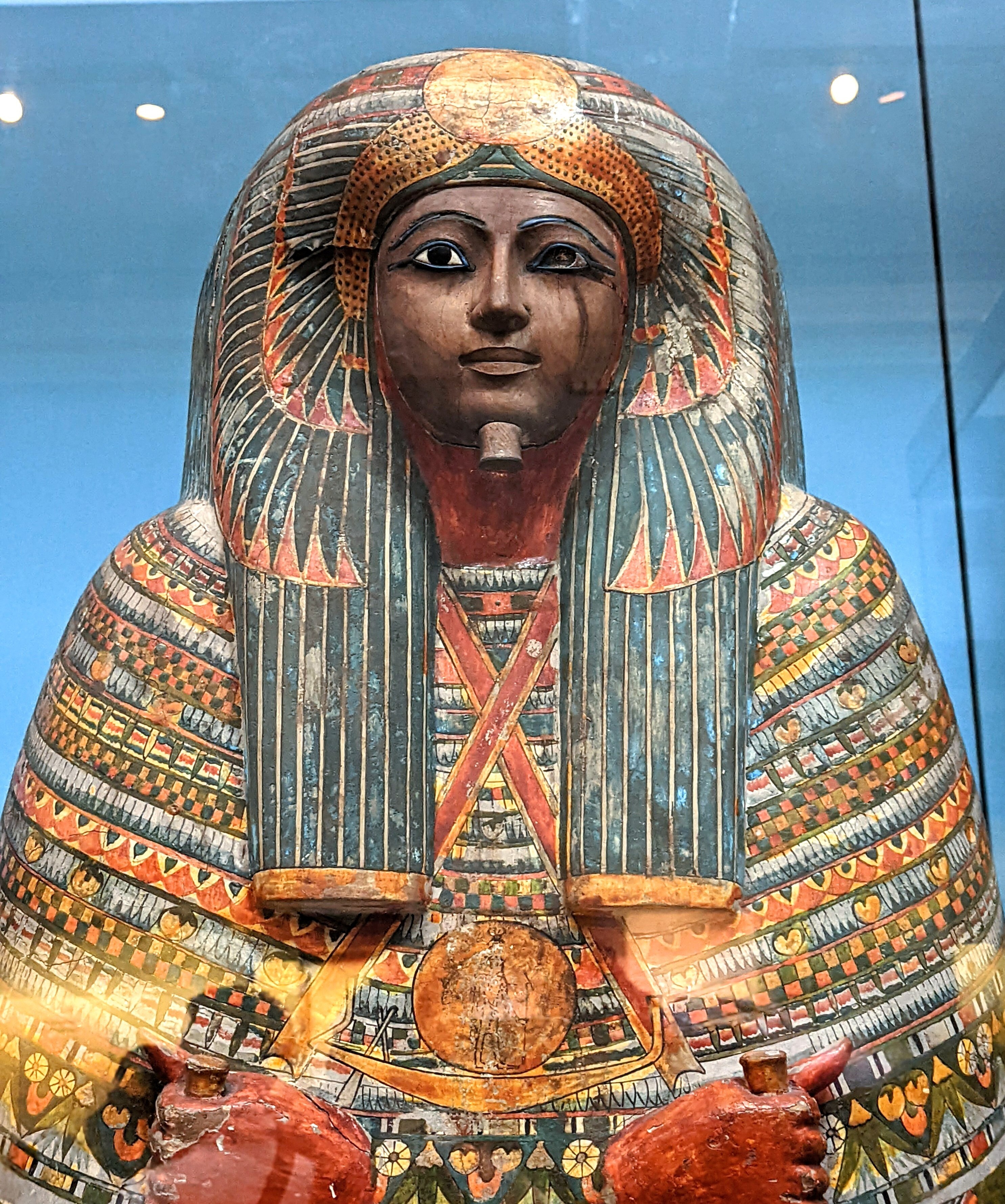
Incense
Smells are emotive and transportive, which is why incense has been used throughout history to evoke ideas of dieties and holy realms. Many religious buildings, from the temples of Japan to the churches of Italy, would have smelt of incense during past centuries. Many still diffuse their traditional scents today, which is one way the modern world remains connected to the past. At AromaPrime, we have recently improved our own 'incense' formula, now named Ambient Incense, which includes a refreshing note of frankincense.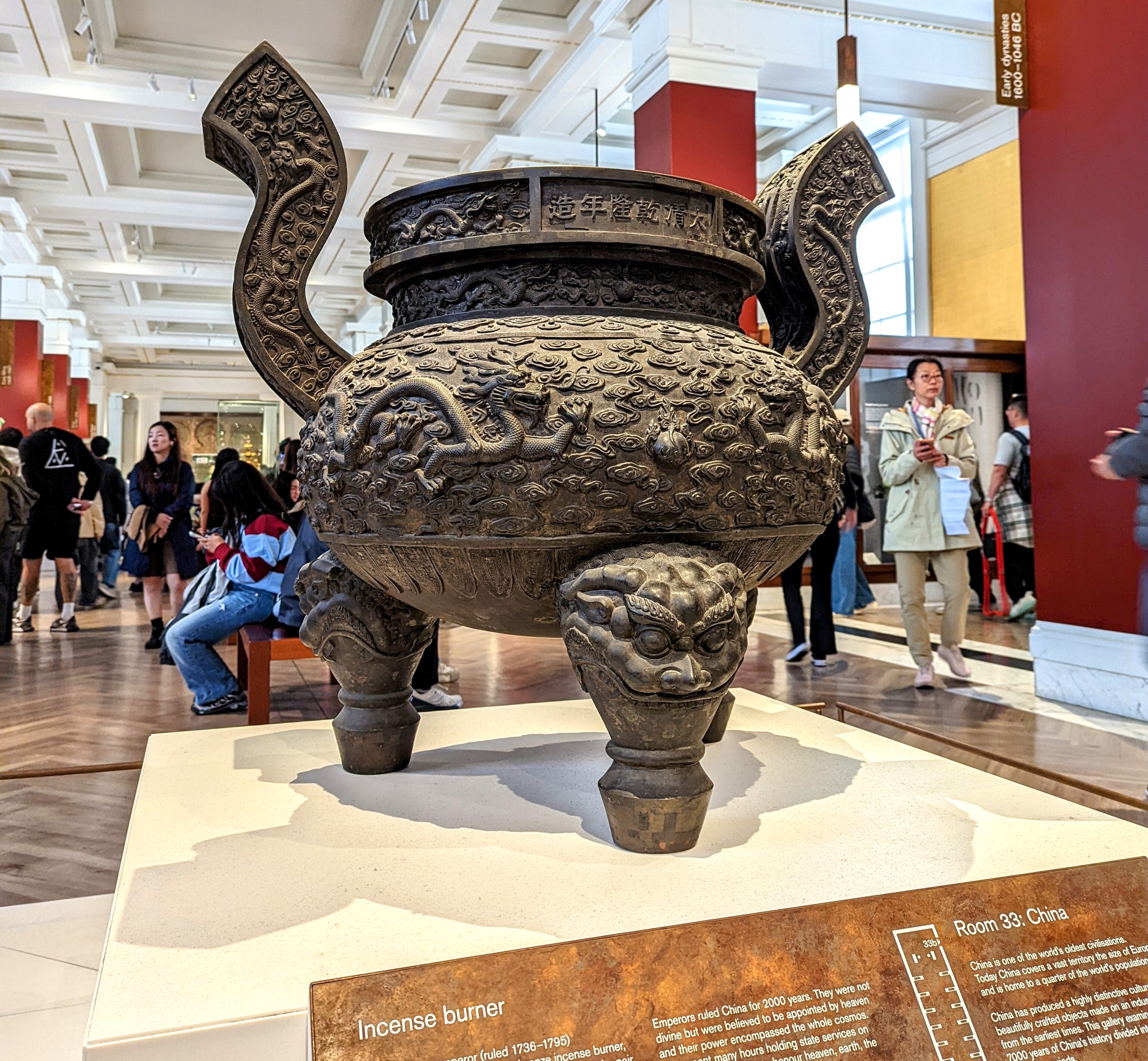
Coal Fires
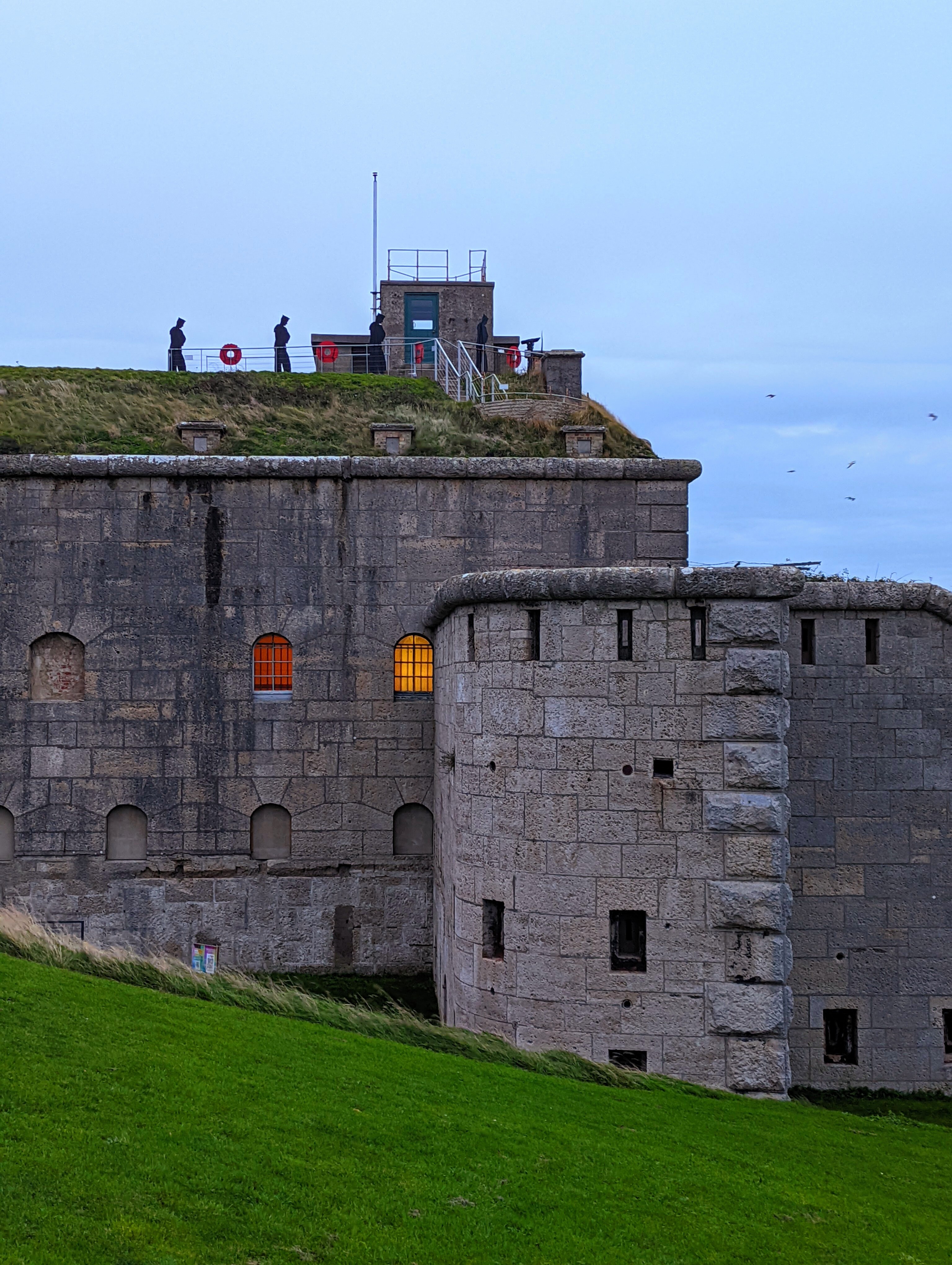
The burning of coal was at its peak during the Industrial Revolution, which many imagine as being odious. However with coal fires being part of many homes, the scent would become nostalgic and was eventually used by AromaPrime's founder Fred Dale to bring back childhood memories for elderly care home residents. The scent of coal fires would also have been familiar to soldiers living in drafty forts; although not the most welcoming scent, it would have represented valuable warmth in the cold accommodations.
Pomanders
Another fragrant feature of the past was the pomander, which was typically a hollow piece of jewellery containing scented materials. Its purpose was to emit pleasant scents around the wearer during a time when unpleasant scents ('miasma') were thought to bring sickness. One of the fragrant materials used was often lavender.
Liam R. Findlay, AromaPrime's Historical Scent Consultant, shares: "When recreating the smellscapes of the past, it is easy to start thinking of putrid pongs before anything else. However, the reality of past smellscapes has never been black-and-white. Sometimes, we have misconceptions about history being stinky. Even when it was stinky by our modern standards, the people and animals living at the time might have found the everyday scents comforting or negligable, depending on their personal experiences. When museums and other attractions representing history with scents think about the complexities of smellscapes and what they have meant to different people, they can sometimes be surprised by how fragrant the world really was!"
Explore AromaPrime's range of historical scents, which has been growing since the 1960s!